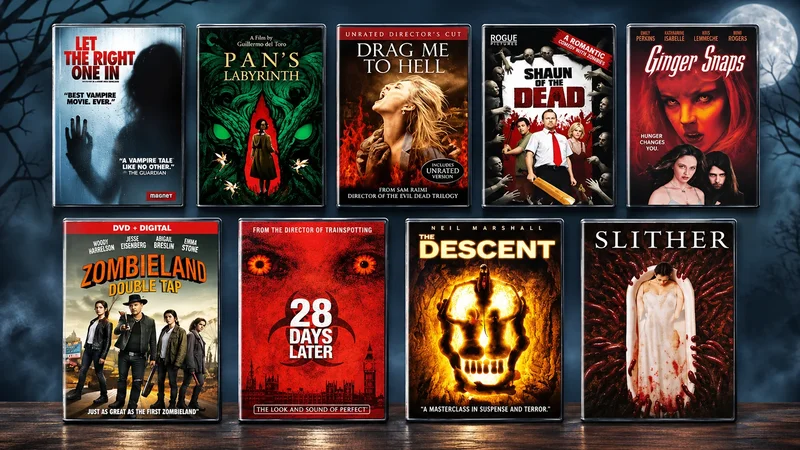
The best 2000s horror movies turned a changing world into a new landscape of fear. Between 2000 and 2009, cinema audiences encountered haunted videotapes, brutal survival games, terrifying viral outbreaks, and supernatural mysteries from across Asia and Europe. This collection brings together 50 distinctive feature films, from enduring mainstream favorites to demanding cult discoveries. Readers browsing movie guides on NetShort can use the sections below to find a film that matches their taste for suspense, violence, psychological unease, or dark humor.
Start with The Others for a restrained ghost story, The Ring for a cursed-video nightmare, 28 Days Later for outbreak suspense, or The Descent for claustrophobic survival. If you want more adventurous genre filmmaking, try [REC], Pan’s Labyrinth, Let the Right One In, or Shaun of the Dead. The collection also makes room for unsettling outliers such as Martyrs, American Psycho, and Noroi: The Curse, whose approaches to fear are very different from a conventional jump-scare movie.
Every selection originated within the 2000 through 2009 decade, using the earliest documented premiere year where theatrical and festival dates differ. The numbering is a reading order organized by style, not an official ranking or a claim that all 50 are equally frightening. Expect mature material throughout, including graphic violence, sexual content, self-harm themes, cruelty, and threats to children in some films. The film notes distinguish those experiences without revealing major endings, and viewing availability may vary by region.
What Made 2000s Horror So Memorable?
- New technology: camcorders, videotapes, mobile phones, and the early internet made ordinary images feel threatening.
- Global influences: Asian ghost stories, Spanish supernatural dramas, and European extremes expanded the genre’s range.
- Different kinds of dread: intimate psychological mysteries existed alongside torture horror and aggressive creature attacks.
- Genre reinvention: zombie films became faster, monster movies gained political weight, and horror comedy found fresh energy.
- Distinctive viewing experiences: some films demand patience and attention, while others deliver relentless suspense and graphic spectacle.
The best 2000s horror movies reward viewers who choose by tone rather than reputation alone. A quietly unsettling family drama may be more affecting than an elaborate body-count thriller, while a clever comedy can still contain graphic violence. The groups below make those distinctions clear and explain what each film contributes to the decade.
Psychological Horror, Haunted Homes, and Hidden Damage
Some of the best 2000s horror movies use family history, loneliness, and uncertainty to make the familiar feel alien. These stories invite patient viewing because the characters’ fears matter as much as the supernatural or criminal threat.
1. American Psycho (2000)
- Director: Mary Harron
- Genre: Psychological horror and black satire
- Key highlight: A Wall Street professional conceals monstrous behavior
Patrick Bateman appears to embody the expensive tastes and polished confidence of 1980s New York finance, yet his private thoughts and actions reveal a terrifying instability. Christian Bale makes Bateman both absurdly vain and deeply frightening, turning discussions of status and business cards into reflections of his fractured worldview. Mary Harron’s film uses uncomfortable comedy to expose a culture obsessed with appearances, not simply to present a serial killer. Its violence, sexual material, and ambiguity make it strictly adult viewing. Choose it for satire whose horror comes from the possibility that nobody is paying attention to the person underneath the suit.
2. The Others (2001)
- Director: Alejandro Amenábar
- Genre: Gothic ghost story and psychological mystery
- Key highlight: A mother guards a dark house and her photosensitive children
Grace lives with her two children in a large, dim country house where unusual noises and shifting household rules become increasingly troubling. Nicole Kidman gives the mother an intense combination of determination, religious certainty, and vulnerability. Alejandro Amenábar does not need constant visible apparitions; doorways, curtains, and the sound of footsteps do much of the work. The result is a disciplined supernatural mystery whose emotional tensions make each new incident significant. It is a strong choice for viewers who want sustained atmosphere and a carefully constructed puzzle without heavy reliance on gore.
3. The Devil’s Backbone (2001)
- Director: Guillermo del Toro
- Genre: Gothic ghost story and historical drama
- Key highlight: An orphanage in wartime Spain conceals a tragedy
During the Spanish Civil War, young Carlos arrives at an isolated orphanage where unexplained sights and an ominous unexploded bomb suggest that the institution is surrounded by dangers both living and dead. Guillermo del Toro builds the supernatural story around the human costs of violence and abandonment. The children face adult secrets they barely understand, giving the haunting a poignant moral dimension. Its imagery is eerie rather than constantly explosive, but the historical brutality is real within the story. Choose this for a ghost film that treats memory and injustice as seriously as suspense.
4. Session 9 (2001)
- Director: Brad Anderson
- Genre: Psychological horror and workplace dread
- Key highlight: An asbestos-removal crew enters an abandoned psychiatric hospital
Workers hired to clean a deserted mental hospital discover that the oppressive building and remnants of its past are unsettling their already strained relationships. Brad Anderson focuses on mundane details such as equipment, corridors, and disagreements about schedules, gradually making the place feel hostile without revealing an obvious monster. Recorded therapy sessions create another layer of unease, inviting viewers to question what is happening to the crew. The film is unusually restrained for its era, with fear accumulating through sound and suggestion. It is best for patient audiences interested in workplace tension and unreliable perception.
5. May (2002)
- Director: Lucky McKee
- Genre: Psychological horror and disturbing character study
- Key highlight: A socially isolated young woman pursues an impossible ideal of companionship
May wants connection but struggles to understand other people’s boundaries, and her fixation on individual features becomes increasingly frightening. Angela Bettis makes the protagonist awkward, sympathetic, and alarming without asking viewers to ignore the harm she causes. Lucky McKee begins with the discomfort of failed friendships and gradually pushes the story toward grotesque physical horror. The film’s handmade details and lonely emotional register distinguish it from the louder slashers of the decade. Choose it for a dark character portrait that explores rejection and obsession, with strong violence and adult material as the story progresses.
6. The Exorcism of Emily Rose (2005)
- Director: Scott Derrickson
- Genre: Possession horror and courtroom drama
- Key highlight: A trial debates competing explanations for a young woman’s death
Following Emily’s death during a religious ritual, a priest stands trial and a lawyer must examine testimony that could be interpreted through faith or medicine. Scott Derrickson alternates legal arguments with frightening events from Emily’s life, creating uncertainty about how the audience should understand the evidence. Jennifer Carpenter gives the physical distressing scenes a memorable intensity, while Laura Linney anchors the courtroom perspective. The movie draws loosely on a real case but dramatizes its own version of events; it should not be treated as a factual account of possession. Choose it for moral ambiguity and unsettling performances rather than nonstop monster action.
7. The Orphanage (2007)
- Director: J. A. Bayona
- Genre: Spanish supernatural mystery
- Key highlight: A mother’s search for her missing child reopens a building’s past
Laura returns to the seaside orphanage where she grew up, hoping to establish a new home for children, but her young son’s disappearance turns the property into an agonizing mystery. Belén Rueda gives the search a grief-stricken determination that prevents the film from becoming a simple sequence of ghostly tricks. J. A. Bayona builds tension from old rooms, childhood games, and the possibility that memory is concealing something essential. Its scares are effective without excessive gore, although children in danger and family tragedy may be deeply upsetting. Choose it for a beautifully controlled, emotionally rich ghost story.
8. The House of the Devil (2009)
- Director: Ti West
- Genre: Occult horror and slow-burn suspense
- Key highlight: A college student’s babysitting job becomes sinister
Desperate for rent money, Samantha accepts an unusually well-paid evening job in a remote house, despite signs that the employers have not told her everything. Ti West deliberately reconstructs the pacing and visual texture of an older horror film, lingering on ordinary household spaces until simply moving from one room to another feels dangerous. Jocelin Donahue makes Samantha’s uneasiness believable because she keeps trying to justify a decision she can no longer comfortably reverse. This film asks viewers to tolerate long stretches of anticipation before delivering its shocks. Choose it for patient occult suspense and retro atmosphere.
Ghosts, Cursed Images, and Supernatural Rules
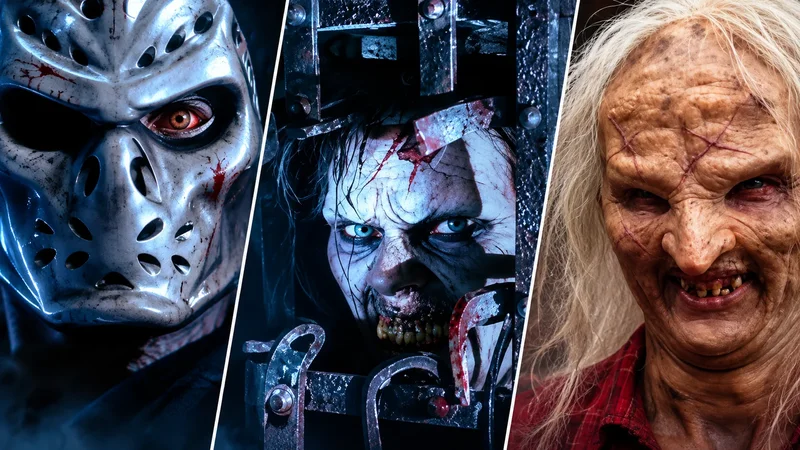
The best 2000s horror movies about hauntings often turn a simple rule into an unbearable question: what happens after you watch the tape, enter the room, or discover the thing that was meant to stay hidden? Asian filmmakers made a particularly important contribution to this atmosphere of inescapable dread.
9. Pulse (2001, Japan)
- Director: Kiyoshi Kurosawa
- Genre: Technological and supernatural horror
- Key highlight: Strange computer images spread an overwhelming loneliness
After a man’s disturbing death, friends and strangers begin encountering inexplicable images through computers and rooms sealed with red tape. Kiyoshi Kurosawa uses the early internet not as a flashy gadget but as a means of exposing how isolated modern life can feel. The slow rhythm, empty spaces, and distant figures turn ordinary urban settings into a quiet apocalypse. This is the Japanese film also known as Kairo, not the later American remake. It is best for viewers who prefer philosophical dread and haunting visual compositions over quick shocks. The film addresses suicide and despair.
10. Dark Water (2002, Japan)
- Director: Hideo Nakata
- Genre: Domestic ghost story
- Key highlight: A mother and daughter face a haunting in a leaking apartment
Yoshimi moves with her young daughter into a deteriorating apartment building while dealing with the stress of a custody dispute. An unexplained water stain and unsettling objects suggest that their new home holds a neglected story. Hideo Nakata turns plumbing, stairwells, and apartment ceilings into expressions of anxiety, keeping the human vulnerability close to the supernatural mystery. The film’s melancholy distinguishes it from more aggressive curse narratives. Choose the Japanese original for a patient, sorrowful haunting; the 2005 American remake is a separate work and not the version discussed here.
11. Ju-on: The Grudge (2002, Japan)
- Director: Takashi Shimizu
- Genre: Japanese curse and haunted-house horror
- Key highlight: A deadly presence follows people who enter one house
Different visitors become entangled in a curse that refuses to respect the usual boundaries of distance or time. Takashi Shimizu organizes the story through connected episodes rather than a simple linear investigation, gradually creating the sense that the haunted property is impossible to escape. The unnatural sounds and movements of its apparitions are more memorable than a complicated explanation. This theatrical feature screened in 2002 before its Japanese release in 2003, so the year can vary between catalogs. Seek out the original Japanese film if you want to understand the curse’s influential visual style before watching the later American adaptation.
12. The Eye (2002, Hong Kong and Singapore)
- Directors: Danny Pang and Oxide Pang
- Genre: Supernatural mystery and medical horror
- Key highlight: A corneal transplant changes more than a woman’s sight
After years without vision, a young woman receives a transplant that allows her to see, but she also begins noticing figures and events that nobody else seems to perceive. The Pang brothers build suspense around the relationship between seeing and understanding, making public places as disquieting as a haunted room. The protagonist’s uncertainty creates empathy because a seemingly miraculous change has made everyday life frightening. It is an effective supernatural mystery with disturbing images and a humane emotional center. Choose the 2002 original rather than the later Hollywood remake for this particular version of the story.
13. The Ring (2002)
- Director: Gore Verbinski
- Genre: Cursed-media mystery and supernatural horror
- Key highlight: A videotape threatens its viewers with a deadline
A journalist investigates an urban legend about an eerie recording and discovers that viewing it may come with a deadly consequence. Naomi Watts gives the investigation urgency, while Gore Verbinski fills rain-soaked locations and domestic interiors with ominous images. The clever hook is that a recorded object, normally a way to preserve memories, becomes a source of danger. The film adapts Japan’s Ringu from 1998 rather than originating the concept, but the American version has a distinct visual identity. Choose it for a compelling mystery with persistent dread and relatively little reliance on graphic gore.
14. A Tale of Two Sisters (2003, South Korea)
- Director: Kim Jee-woon
- Genre: Psychological and supernatural family horror
- Key highlight: Two sisters return to a home filled with unresolved tensions
After time away for treatment, Su-mi returns home with her younger sister and confronts a cold relationship with their stepmother, along with frightening events that resist easy explanation. Kim Jee-woon places great importance on the house’s visual details, from patterned walls to oppressive furniture, so the domestic setting seems to contain its own memories. The film draws from Korean folklore but builds a challenging psychological puzzle. Viewers who enjoy piecing together conflicting perceptions will find it rewarding. Family trauma and disturbing images make it emotionally demanding, and spoilers can significantly weaken its impact.
15. Shutter (2004, Thailand)
- Directors: Banjong Pisanthanakun and Parkpoom Wongpoom
- Genre: Ghost photography and supernatural revenge
- Key highlight: Strange shapes appear in pictures after a hit-and-run
After a nighttime road accident, photographer Tun and his girlfriend Jane begin noticing disturbing abnormalities in photographs. As they investigate, the unsettling images suggest a connection between the apparent haunting and decisions the couple would rather forget. The filmmakers use the camera as both evidence and a source of uncertainty, turning routine portrait sessions into moments of anxiety. Its treatment of guilt and wrongdoing gives the supernatural scares a sharp moral edge. Choose the Thai original for inventive image-based horror, while noting that its themes include sexual violence and the consequences of abuse.
16. Noroi: The Curse (2005, Japan)
- Director: Koji Shiraishi
- Genre: Mockumentary and occult mystery
- Key highlight: A missing paranormal investigator leaves behind disturbing research
Footage attributed to a paranormal documentary maker connects strange neighbors, unexplained deaths, television appearances, and rituals that initially seem unrelated. Koji Shiraishi assembles interviews, broadcasts, and investigative recordings so the viewer feels like another researcher attempting to recognize a pattern. The result is unsettling because so many details remain mundane until their relationship becomes clearer. It is slower and more densely plotted than a conventional found-footage panic movie. Choose it for a genuinely absorbing Japanese curse mystery that rewards close attention and tolerates unanswered questions.
17. Drag Me to Hell (2009)
- Director: Sam Raimi
- Genre: Supernatural curse horror comedy
- Key highlight: A bank employee faces a terrifying consequence of one decision
Christine Brown denies a mortgage extension while trying to prove herself at work, only to find herself targeted by a curse that rapidly overwhelms her carefully controlled life. Sam Raimi’s return to horror combines grotesque physical jokes with aggressive supernatural set pieces, making the experience both frightening and absurd. Alison Lohman keeps Christine sympathetic even as the plot punishes her desperation to succeed. The movie is less interested in subtle ambiguity than in the escalating nightmare of being unable to undo a mistake. Choose it for imaginative shocks, dark comedy, and a relentless pace.
Found Footage, Mockumentaries, and Camera-Based Fear
Some of the best 2000s horror movies changed the way audiences looked at recorded images. The camera could become a witness, a questionable source of evidence, or the only viewpoint available when escape was impossible.
18. Behind the Mask: The Rise of Leslie Vernon (2006)
- Director: Scott Glosserman
- Genre: Slasher mockumentary and satire
- Key highlight: A documentary crew follows an aspiring masked killer
A young filmmaker documents Leslie Vernon, a man who wants to become the next legendary slasher villain, and the interviews turn familiar horror conventions into carefully planned professional tasks. Nathan Baesel gives Leslie a disarmingly friendly manner that makes the premise both amusing and uncomfortable. Scott Glosserman’s film has particular appeal for viewers who know the classic slasher formula, since it treats seemingly accidental moments as an elaborate performance. The story eventually tests whether the crew can maintain its claimed distance from the violence. Choose it for clever genre awareness, with adult language and bloody scenes.
19. [REC] (2007, Spain)
- Directors: Jaume Balagueró and Paco Plaza
- Genre: Found-footage outbreak horror
- Key highlight: A television report turns into a quarantine nightmare
A reporter accompanies firefighters responding to an apartment emergency, then finds herself trapped inside the building when authorities seal it off. The handheld viewpoint makes confusion immediate because viewers know only what the camera operator can record while residents panic around them. Balagueró and Plaza move rapidly between mystery, infected-body violence, and terrifying confined spaces. The apartment’s layout becomes increasingly difficult to navigate as the danger rises. Seek out the Spanish original, not its later English-language remake Quarantine. It is an exceptionally intense choice for audiences who enjoy claustrophobia and minimal breathing room.
20. Paranormal Activity (2007)
- Director: Oren Peli
- Genre: Minimalist found-footage haunting
- Key highlight: Nighttime home recordings reveal disturbing changes
Katie and Micah use a camera to investigate unsettling events in their suburban home, unaware that documenting the disturbances may not make them safer. Oren Peli relies on static bedroom views, time stamps, and the audience’s expectation that something might change in the background. The film’s 2007 premiere preceded its much wider release in 2009, helping explain why both years sometimes appear in discussions. Its power lies in the waiting, especially when nothing seems to be happening. Choose it if subtle alterations and the vulnerability of sleep frighten you more than elaborate creature effects.
21. Cloverfield (2008)
- Director: Matt Reeves
- Genre: Found-footage monster and disaster horror
- Key highlight: Friends record a giant-creature attack on New York City
A farewell party is interrupted by a massive attack, and one handheld camera captures the group’s desperate attempt to move through a city becoming unrecognizable. Matt Reeves combines disaster-movie scale with the limited knowledge of people who cannot understand what is destroying their surroundings. The film rarely offers a reassuring overview of the monster, making each street crossing uncertain. Shaky footage is integral to the effect and may bother motion-sensitive viewers. Choose it for large-scale creature horror experienced at street level rather than through the confident perspective of military or government experts.
22. Lake Mungo (2008, Australia)
- Director: Joel Anderson
- Genre: Mockumentary ghost mystery
- Key highlight: A grieving family searches photos for signs of its daughter
After teenage Alice drowns, her family notices strange images and accounts that suggest they may not have understood her private life. Joel Anderson imitates a television investigation so convincingly that interviews, still photographs, and small contradictions become the film’s most frightening devices. The tone is subdued, making grief and uncertainty more important than an ongoing assault of supernatural effects. Some revelations are especially effective if the premise is all you know beforehand. Choose it for lingering emotional dread and careful documentary-style storytelling rather than frequent jumps or gore.
Extreme Survival, Home Invasions, and Human Cruelty
The best 2000s horror movies about physical survival confront viewers with trapped spaces, violent decisions, and the possibility that other people may be more dangerous than anything supernatural. These are among the list’s most difficult titles for sensitive audiences.
23. Saw (2004)
- Director: James Wan
- Genre: Psychological trap horror and mystery
- Key highlight: Two strangers awaken chained inside a filthy bathroom
Two men discover that they have been trapped as part of an elaborate test whose rules are only gradually revealed. James Wan uses the confined location and fragments of investigation to create a puzzle driven by fear, suspicion, and increasingly desperate choices. Cary Elwes and Leigh Whannell make the men’s helplessness immediate, while the off-screen architect of the ordeal becomes a central mystery. Although later installments became closely associated with escalating gore, this original is especially effective as a tightly structured thriller. It includes gruesome material and is not suitable for a casual family movie night.
24. The Descent (2005)
- Director: Neil Marshall
- Genre: Claustrophobic survival and creature horror
- Key highlight: Six women become trapped in an unexplored cave system
Sarah joins friends on a caving expedition after a personal tragedy, but a disastrous route and threats hidden in the darkness turn the outing into a nightmare. Neil Marshall first establishes the terrifying physical limits of the cave itself, so the characters’ inability to find an exit is frightening before the more overt horror arrives. The ensemble’s strained relationships make every survival decision harder. Be aware that the original UK and US theatrical versions circulated with different endings. Choose it for extreme claustrophobia, emotional conflict, and graphic creature violence.
25. Hostel (2005)
- Director: Eli Roth
- Genre: Captivity and extreme horror
- Key highlight: Travelers encounter a terrifying criminal enterprise abroad
Young backpackers pursuing pleasure in Europe discover that their freedom is far more fragile than they imagined. Eli Roth uses the contrast between carefree tourism and organized exploitation to create a brutal shift in tone. The film became one of the decade’s defining examples of extreme captivity horror, drawing attention for graphic torture scenes and a grimly transactional view of violence. Its portrayal of foreign places and people can also invite criticism. Choose it only if you are comfortable with deliberate cruelty and severe gore; it is not primarily a suspenseful mystery or a sophisticated travel thriller.
The 2000s push toward captivity and extreme physical suffering offers an illuminating contrast with the practical-effects inventions of the best 80s horror movies. Both eras produced disturbing effects, but the purpose and tone of those images can be very different.
26. Wolf Creek (2005, Australia)
- Director: Greg McLean
- Genre: Outback survival and serial-killer horror
- Key highlight: Backpackers meet danger in Australia’s remote landscape
Travelers exploring an isolated Australian region encounter mechanical trouble and accept help from a stranger whose friendliness may conceal something far worse. Greg McLean uses long stretches of remote scenery to emphasize the practical problem of being unreachable when danger appears. The story draws on elements associated with real Australian crimes but should not be understood as a literal reconstruction of one case. Its violence is sadistic and unsettling rather than playful. Choose it for harsh survival horror where distance from other people becomes a terrifying disadvantage.
27. The Hills Have Eyes (2006)
- Director: Alexandre Aja
- Genre: Desert survival and mutant horror
- Key highlight: A family road trip turns into a violent ordeal
A family becomes stranded in a remote desert area and discovers that its apparent isolation hides a brutal threat. Alexandre Aja’s remake of Wes Craven’s 1977 film intensifies the creature effects, physical danger, and confrontation between supposedly civilized travelers and people who have been abandoned by the wider world. The bleak terrain keeps escape options limited, allowing every decision to feel consequential. It contains extreme violence, including sexual assault-related material, and can be punishing even for experienced horror fans. Choose it for aggressive survival horror rather than a comfortable throwback.
28. The Strangers (2008)
- Director: Bryan Bertino
- Genre: Home-invasion horror
- Key highlight: Masked intruders terrorize a couple in a secluded house
After a difficult evening, a couple retreats to an isolated home where unexplained noises and masked figures begin destroying any sense of safety. Bryan Bertino makes the attackers frightening partly because their motives seem inaccessible; the characters cannot negotiate their way out of a threat they barely understand. Liv Tyler and Scott Speedman convey exhaustion and panic as the house becomes a series of vulnerable entry points. The film is intentionally stripped down, with little supernatural mythology to soften its realism. Choose it for sustained home-invasion tension and a deeply unpleasant sense of helplessness.
29. Eden Lake (2008)
- Director: James Watkins
- Genre: British survival and social horror
- Key highlight: A lakeside getaway escalates into violent conflict
A couple seeking a quiet weekend at a remote lake clashes with a group of young people, and the confrontation grows into an increasingly desperate fight to survive. James Watkins uses familiar social embarrassment and fear of escalation as the foundation for horror without supernatural elements. Kelly Reilly and Michael Fassbender give the central relationship enough warmth to make the danger feel personal. Its depiction of violence, humiliation, and social cruelty is emotionally punishing. Choose it only when you are prepared for a bleak survival story that refuses to treat its antagonists as harmless troublemakers.
Zombies, Monsters, and the Collapse of Ordinary Life
Some of the best 2000s horror movies made the threat larger than a single haunted family. Infected cities, creatures, and public panic test the fragile relationships between people who are suddenly responsible for one another’s survival.
30. Dog Soldiers (2002)
- Director: Neil Marshall
- Genre: Werewolf action and survival horror
- Key highlight: British soldiers are hunted during a training exercise
Soldiers conducting an exercise in the Scottish Highlands discover a devastated military unit and take shelter in a farmhouse while something terrifying prowls outside. Neil Marshall combines the tight teamwork and banter of a military action movie with the pressure of a creature siege. The characters’ practical instincts help the story move quickly, but even well-trained people cannot easily confront an enemy with unfamiliar strengths. The werewolf effects give the film a physical, old-school quality. Choose it for aggressive creature action, dark humor, and a confined survival situation that rarely lets its cast rest.
31. 28 Days Later (2002)
- Director: Danny Boyle
- Genre: Outbreak horror and post-apocalyptic thriller
- Key highlight: A rage infection leaves London almost deserted
Jim wakes from a coma to discover that a contagion has destroyed ordinary British life and left the streets eerily empty. Danny Boyle uses digital video and abandoned urban locations to make the disaster seem immediate and disorienting. Cillian Murphy’s bewildered survivor must learn the world’s new rules with help from people who have already endured its violence. The infected are living people rather than traditional resurrected zombies, but the film decisively shaped modern outbreak cinema. Choose it for urgent survival suspense and disturbing questions about what human communities become under pressure.
32. Dawn of the Dead (2004)
- Director: Zack Snyder
- Genre: Zombie siege and action horror
- Key highlight: Survivors take refuge inside a shopping mall
After a sudden outbreak overruns her neighborhood, nurse Ana joins strangers seeking shelter in a mall surrounded by aggressive infected crowds. Zack Snyder’s remake of George A. Romero’s 1978 film places greater emphasis on speed and violent action while preserving the mall as a meaningful social setting. Sarah Polley and the ensemble must manage conflict inside as well as threats outside. The movie’s relentless opening and large-scale siege give it a very different tempo from Romero’s original. Choose it for fast-moving zombie horror, strong gore, and a memorable group-survival setup.
33. The Host (2006, South Korea)
- Director: Bong Joon-ho
- Genre: Creature feature and family satire
- Key highlight: A monster attacks Seoul’s Han River and abducts a child
When an enormous creature emerges from the Han River, a disorganized family becomes determined to rescue a missing girl despite official confusion and their own disagreements. Bong Joon-ho refuses to keep the film in one emotional register: a frantic monster attack can lead to family comedy, political criticism, or genuine grief. Song Kang-ho gives the father a flawed urgency that keeps the rescue personal. The creature effects are important, but the film’s distinctive quality is how bureaucracy and family loyalty shape the danger. Choose it for monster cinema with emotional and social intelligence.
34. Slither (2006)
- Director: James Gunn
- Genre: Alien parasite horror and grotesque comedy
- Key highlight: A small town becomes infected by an expanding organism
A strange extraterrestrial presence reaches a quiet town and begins altering the bodies and behavior of its residents. James Gunn combines a knowingly ridiculous B-movie premise with disgusting practical and digital effects, giving the creature threat an outrageous physical quality. Nathan Fillion and Elizabeth Banks help balance the film’s bizarre events with a recognizable human response to disaster. The jokes are frequently coarse, and the body horror can be extremely graphic. Choose it if you appreciate affectionately made monster movies that embrace their own absurdity without pretending the violence is mild.
35. The Mist (2007)
- Director: Frank Darabont
- Genre: Creature siege and social horror
- Key highlight: A supermarket crowd faces monsters and growing fanaticism
After a storm, a strange mist envelops a Maine town, trapping shoppers inside a supermarket as dangerous creatures begin appearing outside. Frank Darabont adapts Stephen King’s story into a study of how quickly fear can divide a group that needs to cooperate. Thomas Jane’s character tries to protect his son while competing explanations and escalating panic threaten everyone inside. The creatures are frightening, but the collapse of social trust is just as central. This is a bleak, emotionally difficult film with violence and a particularly harsh tone. Choose it for suspense with unsettling human conflict.
36. 30 Days of Night (2007)
- Director: David Slade
- Genre: Vampire siege and survival horror
- Key highlight: Vampires descend on an Alaskan town during prolonged darkness
As an isolated northern town enters a long period without sunlight, its residents find themselves hunted by vampires who have chosen the location for precisely that advantage. Josh Hartnett and Melissa George lead a desperate attempt to keep survivors alive as normal routes to escape disappear. David Slade makes the snow-covered streets visually striking, with the white landscape emphasizing every burst of violence. The vampires are feral and predatory rather than glamorous romantic figures. Choose it for harsh winter atmosphere, intense creature attacks, and the compelling idea of an environment transformed into a predator’s perfect territory.
Horror Comedies, Cult Favorites, and Unusual Hybrids
Not all the best 2000s horror movies were relentlessly grim. These selections use friendship, adolescence, music, or genre satire to make their monsters strangely entertaining, but many still include gruesome material.
37. Ginger Snaps (2000, Canada)
- Director: John Fawcett
- Genre: Werewolf horror and teenage dark comedy
- Key highlight: Two close sisters confront a frightening transformation
Outsider sisters Ginger and Brigitte share a fascination with death until a werewolf attack begins changing Ginger in ways neither can manage. John Fawcett connects the creature story to puberty, family expectations, and the terror of drifting apart from a person who once understood you completely. Katharine Isabelle and Emily Perkins make the sibling relationship the film’s emotional center, allowing the physical transformations to carry more meaning. It is witty and often bleak, with sexual themes and strong violence. Choose it for a fiercely distinctive coming-of-age horror film rather than a conventional werewolf chase.
38. Bubba Ho-Tep (2002)
- Director: Don Coscarelli
- Genre: Horror comedy and eccentric monster mystery
- Key highlight: An elderly Elvis impersonator confronts a mummy in a care home
An aging man who claims to be Elvis Presley forms a friendship with another resident who insists he is John F. Kennedy, and the pair begin suspecting that their retirement home is under supernatural attack. Bruce Campbell and Ossie Davis treat the outrageous premise with unexpected tenderness, making loneliness and lost dignity as important as the monster. Don Coscarelli’s film premiered in 2002 and reached wider US theaters in 2003. Its humor is deliberately strange and sometimes crude. Choose it for a cult comedy that has a surprisingly compassionate attitude toward overlooked older people.
39. Shaun of the Dead (2004)
- Director: Edgar Wright
- Genre: Zombie horror and romantic comedy
- Key highlight: A failing London relationship is interrupted by the undead
Shaun has been drifting through work, friendship, and romance when a zombie outbreak forces him to make decisions he has long avoided. Simon Pegg and Nick Frost create an endearing partnership whose routines become both a liability and an advantage during the emergency. Edgar Wright’s editing turns ordinary details into precisely timed jokes, but the story does not avoid painful losses. It works because the emotional problems remain recognizable even when the city collapses. Choose it for an affectionate genre comedy with substantial zombie violence and more dramatic weight than the poster might suggest.
40. Trick ‘r Treat (2007)
- Director: Michael Dougherty
- Genre: Halloween horror anthology and dark comedy
- Key highlight: Interconnected stories expose one town’s dangerous traditions
Several Halloween-night stories intersect in a community where familiar customs and childish pranks can carry deadly consequences. Michael Dougherty uses the holiday’s costumes, decorations, and rituals to link otherwise separate characters, giving the anthology a satisfying shared atmosphere. A mysterious trick-or-treat figure becomes its most recognizable image, but the enjoyment lies in how the stories comment on one another. The film premiered in 2007 before becoming widely available on home media in 2009. It is gory and frequently cruel. Choose it for an adult Halloween marathon with inventive interlocking tales.
41. Pontypool (2008, Canada)
- Director: Bruce McDonald
- Genre: Language-based outbreak horror
- Key highlight: Radio broadcasters hear a mysterious contagion spreading
Inside a small radio station, a morning host and his colleagues receive increasingly alarming reports of violence outside, but the strange nature of the threat makes ordinary communication itself seem unsafe. Stephen McHattie anchors the film through his voice and growing uncertainty, while Bruce McDonald keeps the action largely within the broadcast environment. Its original premise is more intriguing when discovered gradually, so avoid detailed plot summaries before viewing. Choose it for a clever, contained horror film whose tension comes from words, sounds, and the difficulty of determining what listeners should believe.
42. Jennifer’s Body (2009)
- Director: Karyn Kusama
- Genre: Teen supernatural horror and black comedy
- Key highlight: A high-school friendship changes after a violent encounter
After a disturbing incident involving a band, popular teenager Jennifer begins behaving in ways that frighten the people closest to her, especially her longtime friend Needy. Megan Fox and Amanda Seyfried play contrasting sides of a relationship shaped by affection, resentment, and shifting power. Karyn Kusama and screenwriter Diablo Cody combine sharp dialogue with demon horror and commentary on the treatment of teenage girls. The film’s reputation has grown beyond its initial marketing, but it remains deliberately bloody and sexually suggestive. Choose it for character-driven, satirical horror with an unusually strong friendship at its center.
43. Zombieland (2009)
- Director: Ruben Fleischer
- Genre: Post-apocalyptic zombie action comedy
- Key highlight: Four mismatched travelers develop their own survival rules
A cautious young survivor travels across an America overrun by zombies and joins people whose approaches to danger could hardly be more different. Jesse Eisenberg, Woody Harrelson, Emma Stone, and Abigail Breslin give the group entertaining friction and a growing sense of connection. The film’s playful survival rules and pop-culture references keep the tone lively, while the creature attacks deliver plentiful gore. Its central pleasure is watching lonely people discover that trust may be necessary even after civilization collapses. Choose it for a fast, funny zombie road movie rather than unrelenting dread.
44. Dead Snow (2009, Norway)
- Director: Tommy Wirkola
- Genre: Nazi-zombie splatter comedy
- Key highlight: Friends on a snowy holiday awaken a monstrous threat
Students gathering in an isolated Norwegian mountain cabin find their holiday turned into a bloody fight against undead soldiers. Tommy Wirkola deliberately combines the snowy wilderness setting with over-the-top gore, absurd combat, and a willingness to treat bodily destruction as part of a dark joke. It is more concerned with inventive carnage than emotional depth, and the imagery is graphic enough to alienate viewers who dislike splatter films. Choose it for a cult horror-comedy night when the audience wants outrageous practical chaos and knows exactly how extreme the humor will become.
European Extremes, Gothic Fantasy, and Vampire Tragedies
The best 2000s horror movies also pushed beyond Hollywood’s dominant formulas. French filmmakers explored shocking violence, while Scandinavian and Korean stories found fresh emotional possibilities in the vampire myth. One major dark fantasy made the real world as frightening as its creatures.
45. High Tension (2003, France)
- Director: Alexandre Aja
- Genre: French slasher and extreme survival horror
- Key highlight: A secluded family home becomes the scene of a brutal attack
Marie accompanies her friend Alex to a family farmhouse, where the promise of a quiet stay is shattered by an intruder’s terrifying violence. Alexandre Aja constructs long, intense sequences around physical vulnerability and the difficulty of escaping a remote location. Cécile de France makes Marie’s determination the story’s driving force, while the presentation asks viewers to question what they are witnessing. Its eventual narrative choices are divisive, so it is best approached without detailed spoilers. Choose it for the ruthless pace and graphic intensity associated with the French extreme horror movement.
46. Pan’s Labyrinth (2006, Spain and Mexico)
- Director: Guillermo del Toro
- Genre: Dark fantasy, wartime drama, and Gothic horror
- Key highlight: A young girl finds an uncanny fantasy world during wartime
In 1944 Spain, Ofelia moves with her mother to the outpost of a cruel military officer and encounters a mysterious faun who offers her dangerous tasks. Guillermo del Toro creates extraordinary fantasy creatures, but he never suggests that the real historical violence surrounding Ofelia is less frightening. Ivana Baquero makes the girl’s imagination and courage central to the film’s moral force. This is dark fantasy with major horror elements rather than a conventional slasher, and its brutality is too severe for small children. Choose it for sumptuous design, tragic storytelling, and unforgettable monsters.
47. Inside (2007, France)
- Directors: Julien Maury and Alexandre Bustillo
- Genre: Extreme home-invasion and body horror
- Key highlight: A pregnant widow faces a violent intruder on Christmas Eve
Sarah is spending a night alone while grieving her husband and preparing for childbirth when an unknown woman arrives with terrifying intentions. The directors keep the setting tightly restricted, making the home’s boundaries feel increasingly useless as the assault escalates. Alysson Paradis and Béatrice Dalle give the confrontation an almost unbearable intensity. Its graphic violence is closely tied to pregnancy and bodily vulnerability, which makes it especially disturbing. This is not an accessible introduction to French horror. Choose it only if you specifically seek extreme, unrelenting home-invasion cinema and are prepared for its severe content.
48. Martyrs (2008, France and Canada)
- Director: Pascal Laugier
- Genre: Extreme psychological and body horror
- Key highlight: A search for justice reveals an appalling hidden system
A woman haunted by a traumatic childhood experience sets out to confront people she holds responsible, and the story turns toward a much larger and more devastating mystery. Pascal Laugier refuses the audience the usual reassurance that intense violence will be balanced by simple moral clarity. The film is both intellectually confrontational and exceptionally hard to watch, with extended abuse and torture. Its reputation as an extreme horror landmark is deserved, but that does not make it a suitable recommendation for everyone. Choose it only with a very high tolerance for cruelty and emotional distress.
49. Let the Right One In (2008, Sweden)
- Director: Tomas Alfredson
- Genre: Vampire horror and coming-of-age drama
- Key highlight: A bullied boy bonds with an unusual new neighbor
Oskar lives a lonely life in a snowy Swedish suburb until Eli moves into the apartment next door and offers a connection he has rarely experienced. Tomas Alfredson balances the tenderness of their friendship against the moral darkness surrounding Eli’s existence. The quiet winter imagery and restrained performances make moments of violence more shocking than they would be in a louder vampire film. It is a moving but deeply unsettling story about loneliness, dependence, and the desire to belong. Choose the 2008 Swedish original for a distinctive interpretation of vampire mythology and adolescence.
50. Thirst (2009, South Korea)
- Director: Park Chan-wook
- Genre: Vampire horror, erotic drama, and black comedy
- Key highlight: A priest’s experimental medical ordeal leads to vampirism
Father Sang-hyun volunteers for a medical experiment, survives under extraordinary circumstances, and soon confronts bodily desires that conflict with his religious commitments. Song Kang-ho gives the priest an uneasy mixture of restraint and longing, while Kim Ok-bin brings volatile energy to the relationship that develops around him. Park Chan-wook treats vampirism as a moral and romantic crisis, using dark comedy to make the characters’ choices even more uncomfortable. The film includes substantial violence and sexual material. Choose it for mature vampire cinema with baroque style and a more complicated emotional agenda than ordinary creature attacks.
Which 2000s Horror Movies Suit Different Viewers?
If you prefer atmosphere to gore, begin with The Others, The Orphanage, Dark Water, or Lake Mungo. Their disturbances are unsettling partly because the characters are already dealing with loss or uncertainty. The Ring and Shutter add more forceful supernatural imagery, while [REC] and Paranormal Activity use the camera to make familiar spaces feel abruptly unsafe. A viewer who loves elaborate mysteries might start with A Tale of Two Sisters or Noroi: The Curse, accepting that neither explains every detail quickly.
For action-oriented viewers, 28 Days Later, Dawn of the Dead, Dog Soldiers, and 30 Days of Night offer clearer survival stakes and greater momentum. For adults who want aggressive effects, The Descent, Slither, and High Tension provide very different kinds of physical horror. Hostel, Inside, and Martyrs occupy a considerably harsher end of the spectrum, and should be selected intentionally rather than because their titles appear in a popular list.
Horror comedy provides a useful third path. Shaun of the Dead and Zombieland rely on memorable groups of survivors, while Jennifer’s Body and Ginger Snaps mix monsters with sharp observations about adolescence. Trick ‘r Treat is particularly well suited to a Halloween-night program. The appeal of the decade lies in its range: its most enduring films are not united by one kind of monster, but by distinctive ways of making an audience feel unsafe.
Frequently Asked Questions About 2000s Horror Movies
What are the best 2000s horror movies to watch first?
The Others, The Ring, 28 Days Later, The Descent, and Shaun of the Dead provide varied introductions to supernatural mystery, outbreak horror, survival suspense, and comedy. All contain frightening or mature material, so choose based on your tolerance for intensity.
Which 2000s horror movies are the scariest without heavy gore?
The Others, Dark Water, Lake Mungo, and Paranormal Activity rely substantially on anticipation and disturbing atmosphere. Their content is not entirely mild, and a strong emotional theme can still be upsetting even without explicit injury effects.
Why were Asian horror films so influential in the 2000s?
Japanese, Korean, Thai, and Hong Kong filmmakers popularized unnerving ghost imagery, cursed media, family mysteries, and hauntings tied to guilt. Films such as Pulse, Ju-on: The Grudge, Shutter, and A Tale of Two Sisters helped introduce different rhythms of supernatural suspense to international audiences.
What 2000s horror movies use found footage?
[REC], Paranormal Activity, Cloverfield, and Lake Mungo all incorporate recorded-image storytelling, but with different styles. Behind the Mask: The Rise of Leslie Vernon uses a mockumentary setup to examine slasher conventions from an unusual perspective.Are there good horror comedies from the 2000s?
Shaun of the Dead, Zombieland, Slither, Jennifer’s Body, and Trick ‘r Treat combine humor with monsters or supernatural danger. Some are extremely gory or sexually suggestive, so a comic tone should not be confused with family-friendly content.
Final Thoughts
The decade is worth exploring in contrasts. Follow a slow Japanese haunting with a brisk American outbreak thriller, or pair a delicate vampire drama with a chaotic zombie comedy. Watching these films side by side reveals how international influences, inexpensive cameras, and a willingness to experiment changed mainstream expectations of fear. A film’s most lasting shock may come from its imagery, but it can also emerge from a character who makes the wrong choice for a very understandable reason.
For a satisfying marathon, choose three different styles rather than simply selecting the three most extreme films. Start with a ghost mystery, follow with a survival story, and finish with a darkly funny title if your group wants some relief. The strongest horror night leaves room for atmosphere, conversation, and the kind of unease that lingers after the credits.