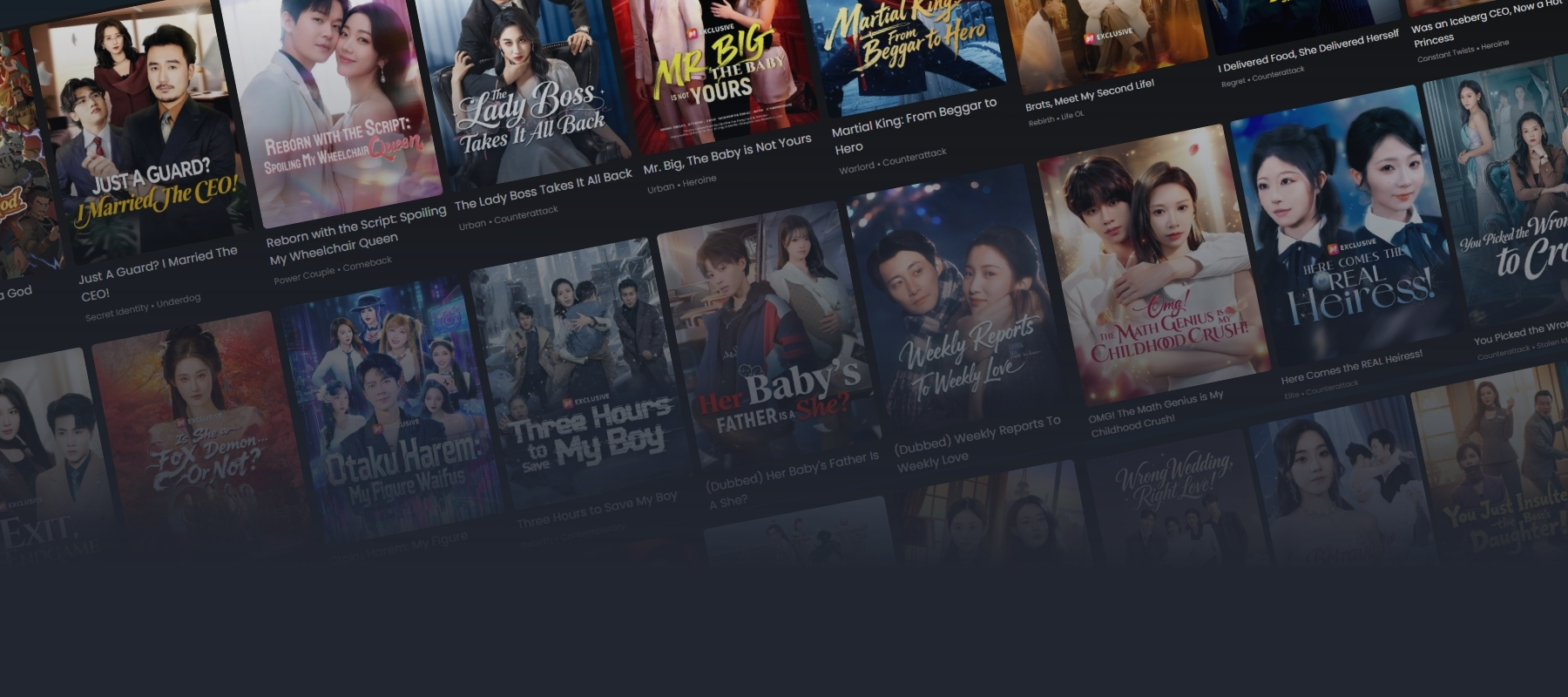

NetShort brings together entertainment content about short dramas, mini series, and the stories behind memorable scenes. From relationships shaped by unexpected choices to mysteries driven by hidden identities, short-form dramas introduce characters and conflicts in a format designed to move quickly. This homepage is a starting point for exploring those stories, understanding their themes, and finding the type of drama that interests you.
Some viewers are drawn to romantic reunions and second chances. Others prefer revenge plots, family rivalries, fantasy worlds, or suspenseful discoveries. A single series may combine several of these ideas, creating a story that shifts between emotional moments and surprising developments. Exploring the premise and characters can help you decide what to follow next.
NetShort focuses on the variety of short-form storytelling, including drama themes, character relationships, genre differences, and the structure of serialized narratives. The information on each title page, where available, should be your guide to its specific story details and viewing options.
What Can You Explore on NetShort?
Short dramas are often discovered through a striking premise: a secret marriage, a missing family member, a betrayed partner, or an ordinary person whose life changes overnight. Looking beyond that opening situation reveals the questions that drive each story and the decisions that make its characters compelling.
The entertainment topics explored here include:
- Drama premises and story themes: How romances, family conflicts, rivalries, mysteries, and other central situations shape a short series.
- Characters and relationships: The motives, loyalties, misunderstandings, and personal histories that influence a character’s decisions.
- Genres and storytelling styles: The differences between an emotional romance, a suspense-driven mystery, a revenge drama, and a fantasy adventure.
- Short-series format: How connected episodes use pacing, revelations, and cliffhangers to build a longer narrative from brief installments.
These subjects offer more than a simple genre label. They help explain why two dramas about love, for example, may have entirely different tones, conflicts, and outcomes.
Explore Popular Short Drama Genres
Different genres invite different expectations. Some focus on relationships and personal growth, while others rely on suspense, hidden information, or imaginative settings. The following story types are useful starting points when discovering mini dramas.
Romance and Second-Chance Stories
Romantic dramas can begin with an unexpected marriage, an old relationship renewed, or two people brought together by circumstance. As their feelings change, characters may face jealousy, social pressure, secrets, or difficult choices. The central appeal often lies in how trust develops and whether the relationship can survive its conflicts.
Family Drama, Betrayal, and Revenge
Family stories explore complicated bonds between relatives, including inheritance disputes, long-kept secrets, and disagreements about loyalty. Revenge plots often follow a character trying to recover something they have lost or confront a betrayal. These dramas can connect personal ambition with larger questions about fairness, forgiveness, and responsibility.
Mystery, Suspense, and Hidden Identities
A mystery may begin with an unusual event, an unexplained disappearance, or a character whose past is not what it seems. New evidence and sudden revelations invite viewers to reconsider earlier assumptions. Suspense comes from wanting to understand both what happened and how the truth will affect the people involved.
Fantasy and Extraordinary Circumstances
Fantasy dramas introduce elements beyond everyday life, such as supernatural abilities, unusual transformations, or imagined worlds. Even when the setting is extraordinary, the characters may still struggle with recognizable issues: trust, belonging, ambition, love, and the consequences of their decisions.
Genres frequently overlap. A fantasy story may revolve around a romance, while a family drama may develop into a mystery. Reading the premise carefully is often more helpful than choosing a series by category alone.
How Are Mini Dramas Different From Traditional TV Series?
Mini dramas typically unfold through shorter episodes than conventional television shows. Rather than spending a long time establishing every character, many stories introduce the main problem early and develop it through a chain of decisions, confrontations, and discoveries. The shorter format does not necessarily make the overall story simple; a complete narrative can still span numerous connected episodes.
Several storytelling techniques help these series maintain momentum:
- Immediate conflicts: The opening scenes often establish a relationship, challenge, or secret that gives the story direction.
- Focused character moments: Short conversations and decisive actions reveal motives without requiring lengthy scenes.
- Unexpected reversals: A discovery or choice can quickly change the balance between characters.
- Episode cliffhangers: An unresolved moment may lead directly into the next installment.
This structure appeals to people who enjoy following a developing plot in smaller segments. As with longer series, the quality of the experience depends on the writing, performances, and how convincingly the story connects its major events.
How to Choose a Short Drama Worth Exploring
A familiar genre can be a good starting point, but the best match often depends on the particular story. Before following a new series, consider a few practical details:
- Start with the premise. Look for a central conflict that raises a question you genuinely want answered, whether it involves a relationship, a secret, or a personal challenge.
- Consider the tone. Two dramas with similar plots can feel very different. One may be humorous and hopeful, while another emphasizes tension, betrayal, or emotional consequences.
- Look at the characters. Their motivations and relationships can help you decide whether the story offers more than its opening twist.
- Check title-specific details. If a page provides an episode list, language information, viewing access, or other practical details, review them before starting. Availability can differ between titles.
It can also be rewarding to try a genre you do not usually choose. Stories frequently mix romance with suspense, family drama with revenge, or fantasy with personal growth. An interesting character or unusual situation may matter more than the category itself.
Learn More About NetShort
NetShort covers the storytelling ideas that make mini dramas distinctive, from quick-moving plots to emotionally complex relationships. The goal is to make these entertainment topics easier to explore and understand, whether you are new to short series or already enjoy the format.
For more information about the website’s focus, visit About Us. To ask a question, suggest a correction, or report a website issue, use the Contact Us page.
Frequently Asked Questions About NetShort
What is NetShort?
NetShort is an entertainment destination focused on short dramas and mini series, including information about story themes, genres, character relationships, and the way serialized drama narratives develop.
What kinds of stories can I explore?
Topics include romance, family conflict, revenge, mystery, suspense, fantasy, and character-driven stories. Many mini dramas blend more than one of these genres.
How can I tell whether a series matches my interests?
Start with its premise, tone, and central characters. When a specific title page is available, check its description and any viewing information provided there rather than relying on a broad genre label alone.
Home Blog Privacy Policy Editorial Responsibility Terms of Use About Us Contact Us
NetShort | All Rights Reserved | 2026 NETSTORY PTE. LTD.